Commonwealth of Indigenous Nations
COIN · Founded in the Northeastern Commonwealth · Boston
COIN · Founded in the Northeastern Commonwealth · Boston
COIN is an Indigenous commonwealth founded in the Northeastern Commonwealth and rooted in Boston — formed as a commonwealth is formed: nations in council, bound by consensus, holding their sovereignty together.
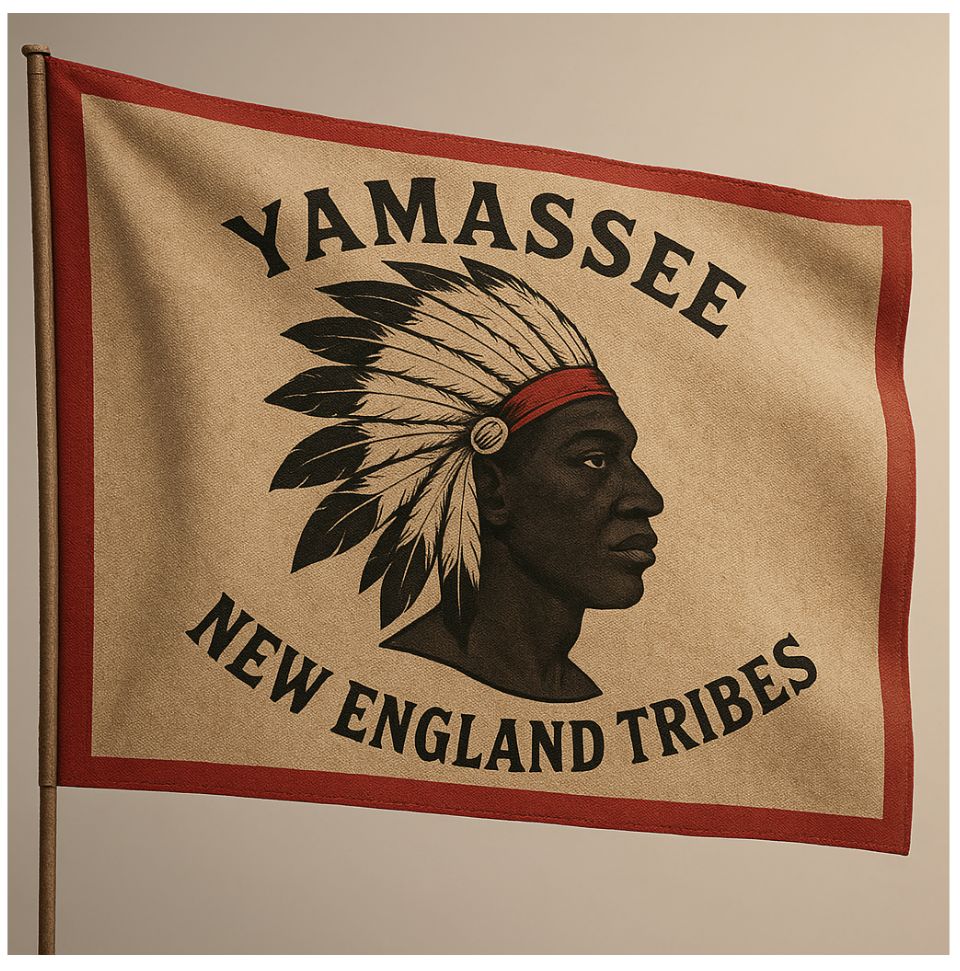
The seal and flag of the founding design: Yamassee Nation · Commonwealth of Indigenous Nations, and the Yamassee — New England Tribes standard.
“The Council of Indigenous Nations (COIN) exists to protect, preserve, and promote the sovereignty, culture, and self-determination of Indigenous Peoples across the Americas and beyond. Rooted in ancestral knowledge and guided by intertribal unity, COIN works to advance justice, defend sacred lands, and revitalize Indigenous lifeways through leadership, advocacy, and education. COIN upholds the United Nations Declaration on the Rights of Indigenous Peoples (UNDRIP) as the foundation of its mission.”
The Commonwealth takes its form from the land where it was founded. As the Northeastern Commonwealth was formed from colonies in council, COIN is structured on a twelve-tribe system: Indigenous nations in council under a Grand Council, presided over in the manner of an Indigenous presidency, each nation keeping its own sovereignty while the Commonwealth carries their common cause — health, land, language, justice, and memory. COIN is one entity within the Al Mahdi Dynasty family of ventures, seated at the top by the Dynasty, and it works in compliance with the United States and the Commonwealth of Massachusetts — with our governments, not against them.
The Commonwealth is established under its Constitution and the principles of the United Nations Declaration on the Rights of Indigenous Peoples (UNDRIP) — self-determination, free, prior and informed consent, and the survival and dignity of Indigenous peoples. Its departments are not arranged as a hierarchy but as interrelated circles of responsibility and reciprocity, modeled on the wampum belt — the traditional record of treaties and governance. See the full structure of the Commonwealth →
A commonwealth is not its charters. It is a grandmother teaching on the porch, children at play outside the hall, and three generations at one table. COIN is carried by its families, guided by its Elders, and built for its youth — the four advisory councils of the Commonwealth begin with the Council of Elders and the Youth Council for a reason.
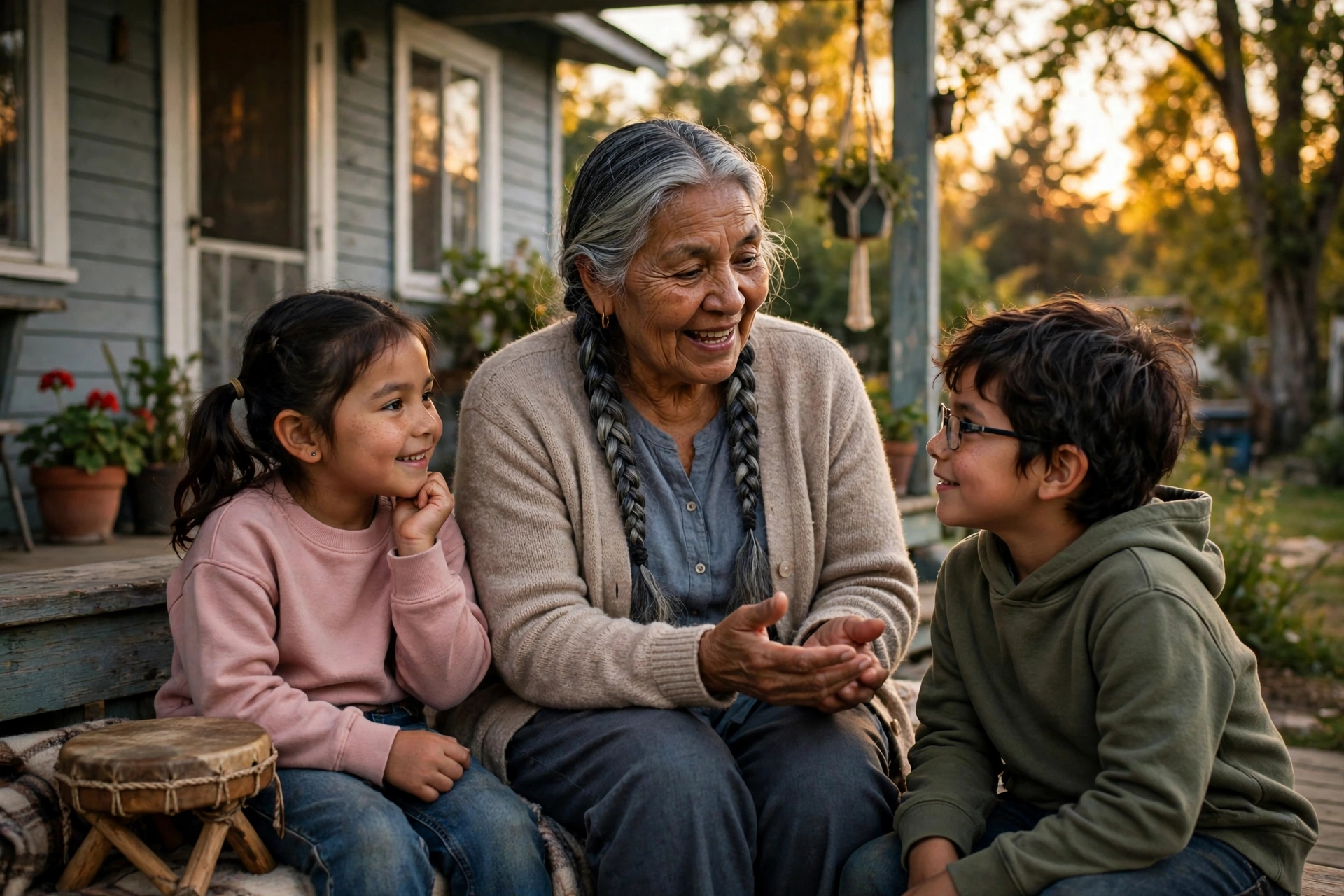
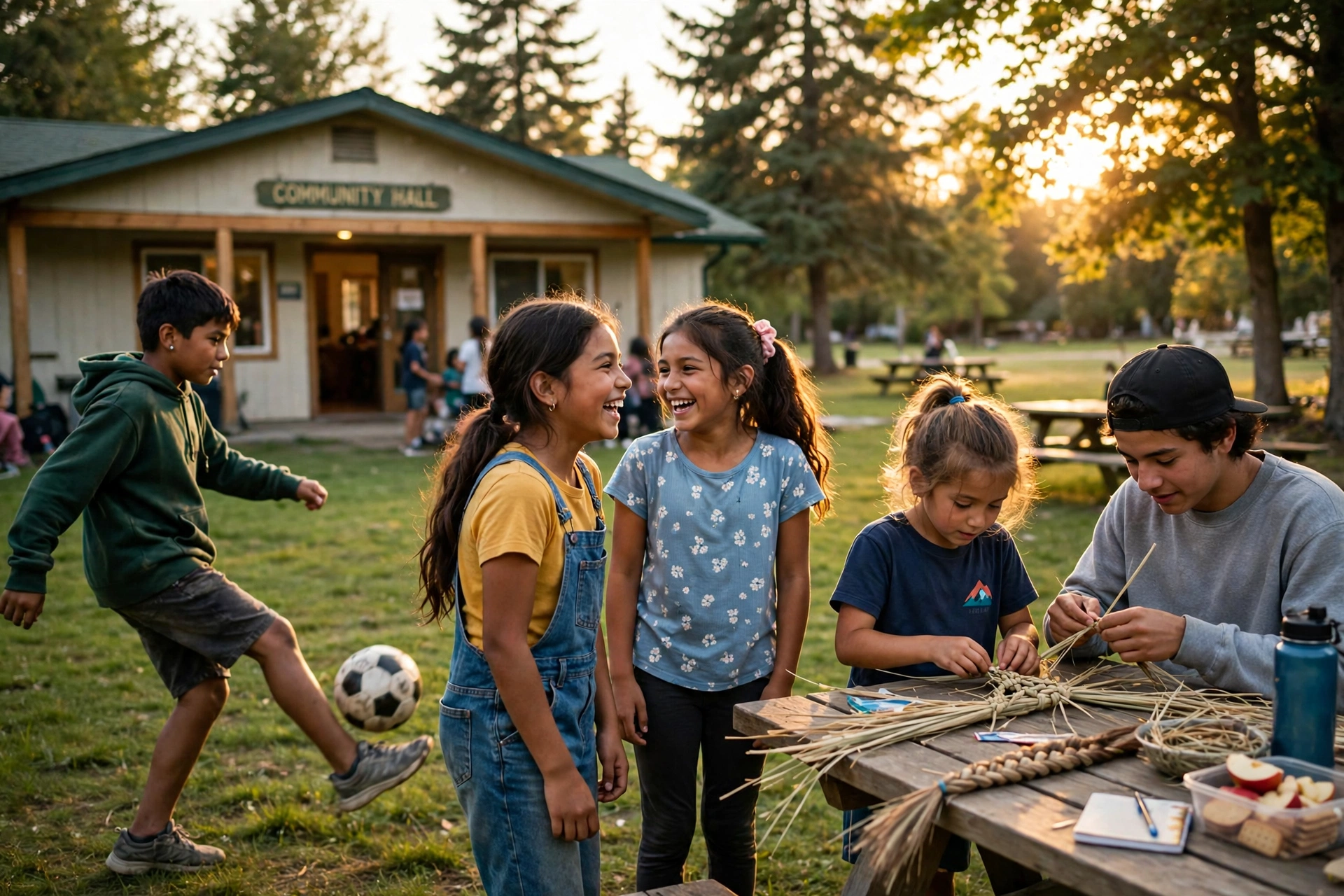
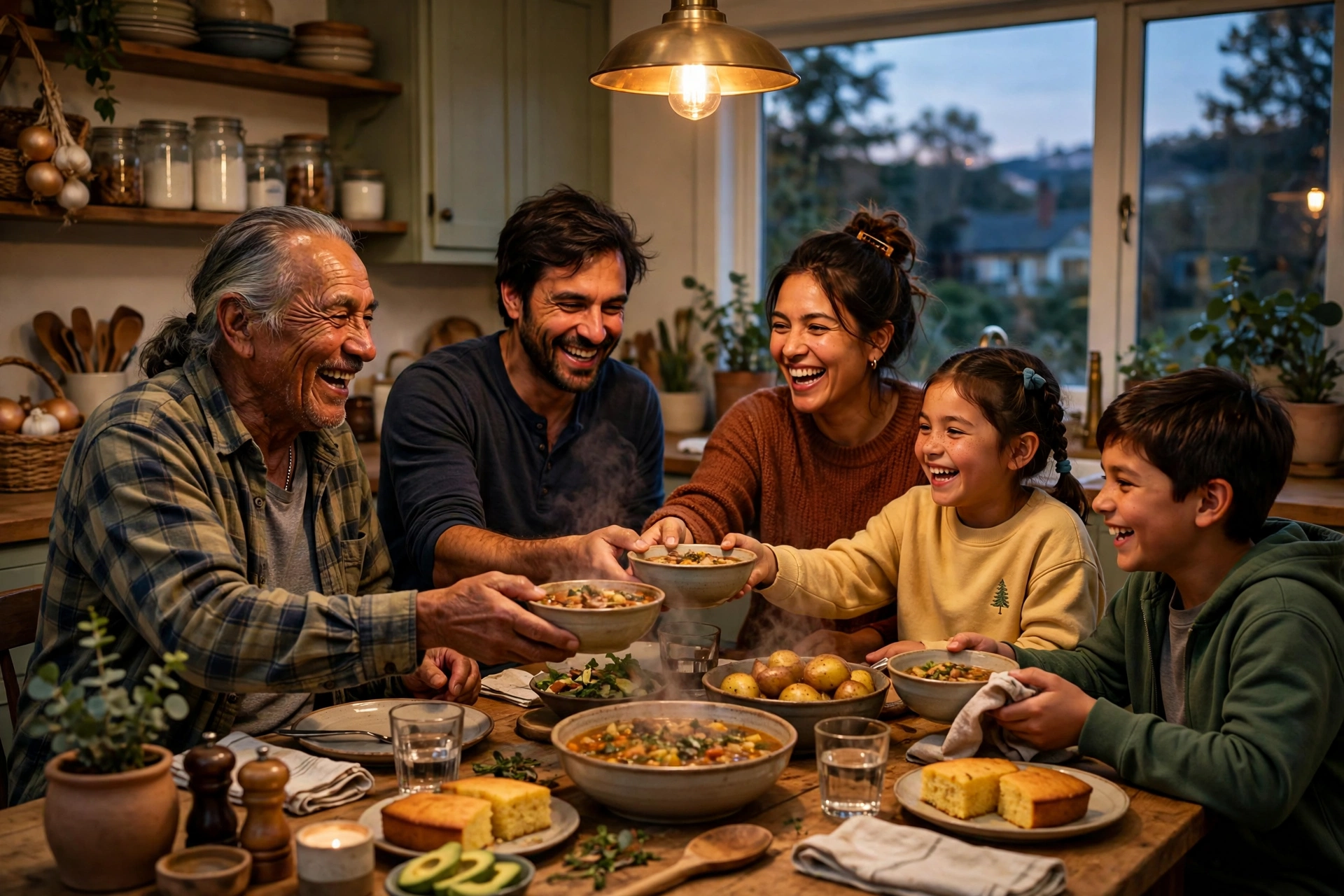
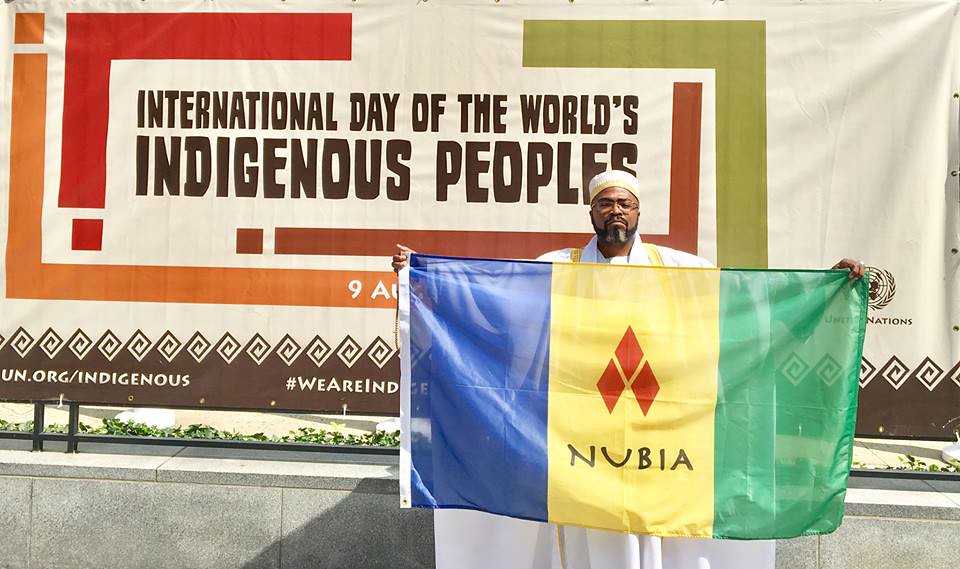
The three scenes of everyday warmth above are illustrations, made for this page. The United Nations photograph is a real photograph from the Commonwealth's own archive.
The homelands of the Indigenous nations of Northeastern North America — Wabanaki country in the north and east, Abenaki country in the northern interior, Nipmuc and Massachusett country in the center, Wampanoag country on the southeast coast and the islands, Narragansett country on the bay, and Pequot–Mohegan country in the southeast woodlands. These are the nations the Commonwealth recognizes and honors. Recognition status shown here is each nation's standing with the United States and state governments, taken from public sources — see the Nations page and the sources note.
Reference layers for this map: the U.S. Bureau of Indian Affairs tribal directory and Eastern Region listings; the Massachusetts Commission on Indian Affairs; the Connecticut DEEP Tribal Affairs listings; the Vermont Commission on Native American Affairs; and Native Land Digital (native-land.ca), the Indigenous-led territory map, for detailed homeland boundaries. Homeland areas on this stylized map are approximate and honorific — drawn from public educational sources, not surveyed boundaries.
The Commonwealth recognizes and honors the Indigenous nations of the Northeast, including the nations below. Each is honored in its own right — for its sovereignty, its survival, and its stewardship of these homelands since time immemorial. The recognition line under each name states that nation's standing with the United States and state governments, from public sources.
Before the nations honored below, the two houses that raised this page — named here as its hosts, not as nations, and carrying no recognition line.
Gold — Federally recognized · Teal — State recognized · Stone — Honored, not federally or state recognized
The Wampanoag of Mashpee — the People of the First Light — have governed themselves on Cape Cod since long before the Commonwealth existed. The Commonwealth of Indigenous Nations honors the Mashpee Wampanoag Tribe's endurance and its continued stewardship of the Cape.
From the clay cliffs of Aquinnah, the Wampanoag Tribe of Gay Head has kept its nation on the island for thousands of years — its federal recognition came through an Act of Congress in 1987. The Commonwealth honors Aquinnah's sovereignty and its guardianship of the island's western shore.
The Mohegan Tribe — Wolf People — carries one of the oldest continuous governments in the Northeast. The Commonwealth honors the Mohegan Tribe's sovereignty, its language and lifeways work, and its standing among the nations of the Eastern Woodlands.
Descendants of the Pequot of the 1638 treaty era, the Mashantucket Pequot Tribal Nation rebuilt on its ancestral land and won federal recognition through the Mashantucket Pequot Indian Land Claims Settlement Act of 1983. The Commonwealth honors that return and the nation's museum and research center, which teaches the whole region its true history.
The Narragansett — People of the Small Point — are the aboriginal people of what is now Rhode Island, recognized by federal Act of Congress in 1983. The Commonwealth honors the Narragansett Indian Tribe's sovereignty and its annual August gathering, among the oldest recorded in the nation.
The Penobscot Nation governs from Indian Island on the river that bears its name — a Wabanaki nation allied in the Wabanaki Confederacy since before contact. The Commonwealth honors the Penobscot Nation's sovereignty and its defense of the Penobscot River itself.
The Peskotomuhkati — Passamaquoddy, the Pollock People — hold two communities on the Schoodic River and Passamaquoddy Bay, with a treaty relationship reaching back to 1794. The Commonwealth honors the Passamaquoddy Tribe's sovereignty in both its communities.
The Wolastoqiyik — Maliseet, People of the Beautiful River — were the first of Maine's tribes recognized under the 1980 settlement era. The Commonwealth honors the Houlton Band of Maliseet Indians' sovereignty along the northern border country.
The Mi'kmaq Nation of Maine — federally recognized as the Aroostook Band of Micmacs — holds the northern reach of the Commonwealth's region, part of the great Mi'kma'ki homeland. The Commonwealth honors the Mi'kmaq Nation's sovereignty and its language and cultural renewal.
The Nipmuc — People of the Fresh Water — are the nation of central Massachusetts, with the Hassanamisco Reservation in Grafton among the oldest continuously held tribal lands in New England. The Nipmuc Nation is recognized by the Commonwealth of Massachusetts under Executive Order 126 of 1976; the Bureau of Indian Affairs declined federal acknowledgment in 2004. The Commonwealth of Indigenous Nations honors the Nipmuc Nation's endurance at Hassanamisco. (The Hassanamisco Nipmuc Band, which withdrew from the Nipmuc Nation umbrella in 2022, maintains its own council and site.)
The Herring Pond Wampanoag have lived at Herring Pond since before the Mayflower — a community that endured for centuries without formal recognition, granted state recognition by Governor Healey's Executive Order 637 on November 19, 2024. The Commonwealth honors the Herring Pond Wampanoag Tribe's recognition, hard-won and long deserved.
The Eastern Pequot hold one of the oldest continuously occupied reservations in America — set aside in 1683 on Lantern Hill. Connecticut recognizes the Eastern Pequot Tribal Nation under state law; its federal recognition, granted in 2002, was reversed in 2005. The Commonwealth honors the Eastern Pequot's unbroken presence on its own ground.
The Schaghticoke hold a state reservation of some 278 acres in Kent, recognized by Connecticut under state law; federal recognition granted in 2004 was reversed in 2005. The Commonwealth honors the Schaghticoke Tribal Nation's persistence in the Housatonic valley.
The Golden Hill Paugussett hold the quarter-acre Trumbull reservation — among the smallest in the nation, held since 1659 — and a second reservation in Colchester. Connecticut recognizes the nation under state law. The Commonwealth honors the Golden Hill Paugussett's hold on its ancestral ground.
The Missisquoi Abenaki — the St. Francis-Sokoki Band — are the Abenaki of the lake's eastern shore, recognized by the State of Vermont in 2012 under the state's recognition law. The Commonwealth honors the Abenaki Nation of Missisquoi and its seat at Swanton.
The Nulhegan Band carries the Coosuk Abenaki homeland of the upper Connecticut and Nulhegan rivers, recognized by Vermont in 2011 — among the first under the state's recognition law. The Commonwealth honors the Nulhegan Band of the Coosuk Abenaki Nation.
The Koasek — People of the Pines — hold the Cowas intervale country of the upper Connecticut River, recognized by Vermont in 2012. The Commonwealth honors the Koasek Traditional Band of the Koas Abenaki Nation.
Elnu — "human being" — is the Abenaki community of southern Vermont, recognized by the state in 2011. The Commonwealth honors the Elnu Abenaki Tribe and its teaching of Abenaki lifeways in the southern Green Mountains.
The nations below hold no federal or state recognition today. They are documented, historic peoples of this region, and the Commonwealth honors them as such — stated plainly, with no recognition claimed that the record does not support.
The Massachusett are the people who gave this Commonwealth its very name — the people of Neponset and Ponkapoag, of the Charles and the harbor islands. The Commonwealth of Indigenous Nations honors the Massachusett Tribe at Ponkapoag first among the honored nations of this region: the original hosts of the ground Boston stands on.
The Pocasset Wampanoag of the Pokanoket Nation descend from the people of the Watuppa Reservation, set apart in the seventeenth century and held in Fall River and Freetown to this day; their land trust has returned hundreds of acres to Indigenous stewardship. The Commonwealth honors the Pocasset Wampanoag Tribe of the Pokanoket Nation and its land-back work.
The Assonet Band carries the Wampanoag community of Assonet Neck in Freetown — a documented people of the reservation era who kept their identity through every century since. The Commonwealth honors the Assonet Band of the Wampanoag Nation.
The Assawompsett-Nemasket Band descends from the Wampanoag praying towns of Assawompsett and Nemasket, between the great ponds of Lakeville and Middleborough. The Commonwealth honors the band's keeping of those pond-country homelands.
The Chappaquiddick Wampanoag descend from the sachemship of Chappaquiddick Island, organized today as a tribal nonprofit with its council in Hyde Park, Boston. The Commonwealth honors the Chappaquiddick Tribe of the Wampanoag Indian Nation — an island people now standing in the city as well.
The Seaconke Wampanoag hold the homeland of Seekonk and the eastern shore of Narragansett Bay — the seat of the Pokanoket country in Metacom's time. The Commonwealth honors the Seaconke Wampanoag Tribe's keeping of that shore.
The Chaubunagungamaug Nipmuc are the people of the great lake whose name the town of Webster still carries — a documented Nipmuc band community of the southern Worcester County borderland. The Commonwealth honors the Chaubunagungamaug Nipmuc.
From the Organizational Structure & Governance Charter of the Commonwealth of Indigenous Nations: COIN is established under its Constitution and the principles of the United Nations Declaration on the Rights of Indigenous Peoples (UNDRIP). The participating Indigenous Nations unite in commitment to self-determination, mutual recognition, and the preservation of ancestral knowledge and lands. The structure is not a hierarchy — it is interrelated circles of responsibility and reciprocity, modeled on the wampum belt, the traditional record of treaties and governance.
The supreme governing body of COIN — where the core governing decisions of the Commonwealth are made, guided by ancestral wisdom and principles of consensus. Its officers:
High Convenor — rotating chairperson of the Grand Council.
Council Scribe / Chronicler — keeper of the written and oral records.
Spokesperson to the World — official voice of COIN in external forums.
| Department | Lead Role | Mandate |
|---|---|---|
| 1 · Sovereignty & Governance | Keeper of Nations' Laws | Upholds each nation's sovereign rights and intergovernmental relations; ensures free, prior and informed consent (FPIC) in all external agreements. |
| 2 · Land, Territories & Environment | Earth Steward General | Defends Indigenous land rights and sacred sites; leads environmental protection rooted in traditional ecological knowledge; advances land back and conservation easements. |
| 3 · Language, Culture & Spiritual Lifeways | Guardian of Cultural Lifeways | Revitalizes Indigenous languages, ceremonies, and cultural heritage; protects sacred practices, regalia, and cultural expressions. |
| 4 · Justice & Restorative Traditions | Justice Keeper of the Circle | Promotes traditional and restorative justice systems; counters systemic bias within colonial legal frameworks; supports Indigenous legal advocacy. |
| 5 · Education & Intergenerational Knowledge | Knowledge Carrier-in-Chief | Designs culturally grounded curricula; promotes intergenerational knowledge transfer; partners with schools and universities. |
| 6 · Health, Healing & Traditional Medicines | Lead Healer and Wellness Elder | Advances Indigenous health sovereignty; integrates Western and traditional medicine models; protects Indigenous pharmacopeia. Its working arm is the COIN Healthcare Network. |
| 7 · Economic Sovereignty & Resource Equity | Steward of Economic Lifeways | Promotes sustainable economic models and Indigenous cooperatives; advocates resource equity and fiscal independence. |
| 8 · Diplomacy & Global Solidarity | Ambassador of Indigenous Nations | Represents COIN in international Indigenous forums, including the UN Permanent Forum on Indigenous Issues; builds alliances with Indigenous movements globally. |
| 9 · Women, Youth & Two-Spirit Futures | Keeper of Generations | Advances leadership and well-being of women, youth, and Two-Spirit people; develops mentorship, safety, and cultural pride initiatives. |
| 10 · Truth, Memory & Reconciliation | Truthwalker General | Documents histories of colonization, resistance, and survival; leads reconciliation efforts and educational exhibitions; maintains the official archive of Indigenous memory. |
Spiritual and cultural guidance to the Grand Council.
Voice of the next generation in policy and cultural matters.
Archives oral histories and ceremonial knowledge.
Represents women's leadership and matriarchal wisdom traditions.
Decision-making is consensus-based across all COIN bodies, in alignment with traditional governance. The charter records its adoption by unanimous consensus of the founding Nations within the original lands of the Thirteen Colonies.
The working arm of the Commonwealth's Department of Health is the COIN Healthcare Network — the Indigenous-led health model of the Commonwealth, delivered on the ground through CHW Workforce Development, Inc. and its certified community health workers: care rooted in community, carried by the people of the community. The Network has its own site, built to its own standard.
COIN Healthcare Network — its own website (in preparation; this slot links to the Network's site when it is published).
The Commonwealth's legal foundations page — the laws and government actions supporting Indigenous tribes and culture, and how COIN's documentation stands inside that legal structure, in compliance with the United States — is being prepared from the Commonwealth's legal foundations brief and will be published here after review.
Headlines from Indigenous newsrooms — updated through the day. The Commonwealth reads the Indigenous world first through Indigenous voices, and this wire is weighted toward Indigenous rights: sovereignty, land, language, water, and the courts. Every headline links out to the original story at its own newsroom.
Loading the latest headlines…
Sources: ICT (Indian Country Today) · Native News Online · APTN News · UN News (Indigenous coverage). Headlines and links only — the stories belong to their newsrooms.
The days the Indigenous world keeps — November 2026 through November 2027. Fixed dates are stated; days that follow a rule (the second Monday, the fourth Thursday) are computed from that rule. The United Nations Permanent Forum on Indigenous Issues meets each spring at UN Headquarters in New York; its next session's dates are announced by the United Nations.
A month honoring the histories, cultures, and contributions of Native peoples across the United States — marked every November.
Observed since 1970 at Plymouth, Massachusetts, on the fourth Thursday of November — a day of remembrance, truth-telling, and solidarity.
Aotearoa New Zealand's national day, marking the signing of the Treaty of Waitangi in 1840.
The United Nations has not yet announced the 26th session's dates. The most recent session — the 25th — met 20 April – 1 May 2026 at UN Headquarters, New York, on the theme “Ensuring Indigenous Peoples' health, including in the context of conflict.” This listing records a public United Nations meeting; it claims no role in it for the Commonwealth.
A day of awareness for Missing and Murdered Indigenous Women, Girls, and People — the empty red dress stands for those who must not be forgotten.
From the first Sunday of July to the next, a week celebrating the history, culture, and achievements of Aboriginal and Torres Strait Islander peoples.
The United Nations' day for Indigenous peoples everywhere, marked every year on 9 August — the day in the photograph in our People section above.
Canada's National Day for Truth and Reconciliation — remembering the children taken to residential schools. Every Child Matters.
Marked on the second Monday of October in a growing number of U.S. cities and states, honoring Indigenous peoples and their histories.
The month returns, as it does every November.
The fourth Thursday of November, at Plymouth, Massachusetts.
Dates verified November 2026 against the United Nations (UN DESA — social.desa.un.org), naidoc.org.au, and the observances' public records. Rule-based dates are computed from their rules, never carried from memory.